The Modern Author
🚀 Want to write like Adam Grant or Brene Brown? The Modern Author gives you weekly templates, prompts & proven frameworks to turn your ideas into books, articles & authority. No fluff—just tactical steps to write with confidence. Subscribe now!
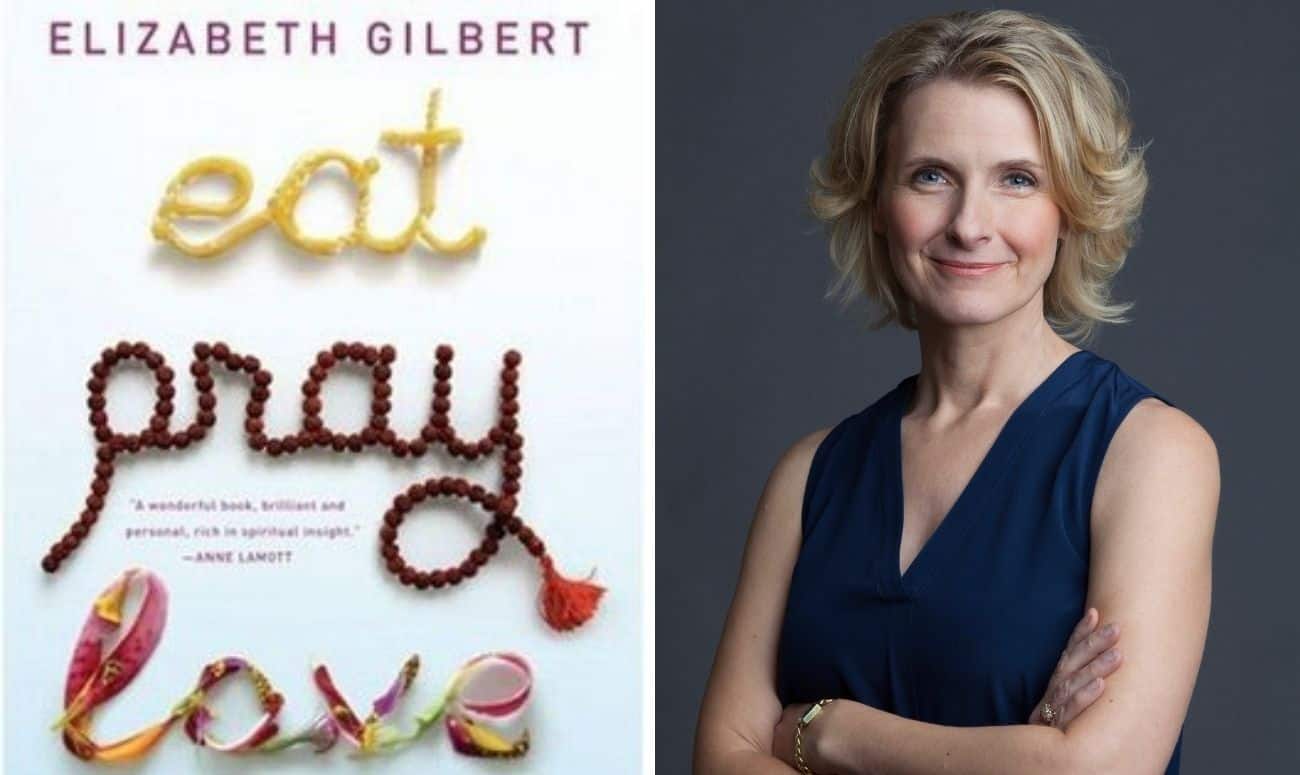
Howdy Modern Authors!When I ask new writers whose career they admire, whose voice, reach, and longevity they’d love to emulate... one name comes up constantly. Elizabeth Gilbert. She's easily is one of the most name-dropped authors in my world. But here’s the funny part: When I ask which book of hers they actually love? It’s always a split decision. Half say Eat, Pray, Love changed their life. Two wildly different books. Two wildly different styles. So before you start writing like Liz, you need to ask yourself one simple question: Which Liz do you want to be? Let’s dive into this week’s Write Like a Thought Leader with a deep, practical breakdown of one of the rarest feats in modern authorship: Elizabeth Gilbert pulled off something few authors ever manage: she wrote a megahit in creative nonfiction (Eat, Pray, Love)… and another in thought leadership (Big Magic). And she has a lot to teach us. In last week's Modern Author post, I spoke about the trap of trying to write three different books in one book. Several people asked me for some examples to help them choose. And immediately I thought about Liz Gilbert. Let's dive in...
Two Genres, Two Masterpieces, One AuthorElizabeth Gilbert is a unicorn. While most writers struggle to master one type of nonfiction, she has published bestsellers across genres:
Same author. But the two books have... very different playbooks. The Trap That Stops Most WritersMany aspiring authors get stuck because they haven’t made the decision Gilbert made... twice. They want to write:
And so they start writing all three at once. I did the same thing when I started writing Super Mentors. And Liz easily could have done the same.
Rather than try to do everything in one book, she made choices. And you'll need to do the same.
What Makes Big Magic Thought LeadershipLet’s start with Gilbert’s second act: Big Magic. On the surface, it’s a series of meditations on creativity. But make no mistake—it’s thought leadership at its finest. Structure: The Blueprint of Thought LeadershipThought leadership books tend to follow this format:
Thought leadership writing is transformational, not just descriptive. It gives people a new lens, then teaches them how to use it. And for Gilbert it serves as a large piece of her business empire today serving as the foundation for her training, workshops, and community.
What Makes Eat, Pray, Love Creative NonfictionNow let’s rewind to Eat, Pray, Love, the book that made Gilbert a household name. This isn’t a memoir in the traditional “life story” sense. It’s a creative nonfiction masterclass: Structure: The Blueprint of Creative Nonfiction Creative nonfiction isn’t prescriptive; it’s immersive. Here’s how Eat, Pray, Love works:
Creative nonfiction is cinematic, vulnerable, and resonant. It’s not designed to teach. It’s designed to connect. And for Gilbert this book was quickly optioned for the screen, and made movie magic staring Julia Roberts. Gilbert’s Genius: She Built Two Very Different OffersHere’s where Gilbert really earns her place as a model for modern authors. She didn’t just write two styles of books. Eat, Pray, Love → Connection
This book built a brand around her story. People wanted to follow in her footsteps, retrace her journey, and meet the woman behind the narrative. Big Magic → Community
This book built a brand around her framework. People wanted her insight, not just her life. Who You Write For Shapes What You Can BuildThis is the key takeaway for modern authors: What you write determines who buys it, what they do with it, and what they’ll want from you next. Creative Nonfiction leads to:
Focus: Emotion and resonance Thought Leadership leads to:
Focus: Clarity and application Neither is “better.”
Try This: A Framework to Choose Your FrameworkI recently caught up with Steve Fredlund, a professional keynote speaker and best selling author of Do The Unright Thing. "I knew the big idea, but it took me several months to make sure I wrote it in a way that felt authentic." Steve wrestled through a decision many authors face: am I famous enough to write a story about my life or do I have a big enough belief in something to teach it others? So he spend five months writing a book about his life philosophy sharing how he and others had found happiness and success by constantly doing the 'unright' thing. He pushed through and finished a draft. His editors and early readers loved the draft, felt personally connected to his framework, and enjoyed how he'd woven in his stories and others. But it didn't feel right to Steve. So he did the 'unright thing.' "I needed the book to be authentic, so I made it my story. I turned it to a memoir." And if you're like Steve, wrestling between the two, here’s a diagnostic tool I use with authors when they’re stuck: 1. What’s Your Goal?
2. What Will People Say After Reading?
3. What Do You Want to Sell After?
4. What’s Your Superpower?
Remember: You can blend styles. But your core engine must be clear. What Next?Writing a book today is a lesson in focus. It's not easy, but it's critical. What Elizabeth Gilbert teaches us is you can build a following for your thought leadership and your storytelling. But most importantly, you'll likely need to choose a path. For Liz, she didn’t build her books by asking, “What do I want to say?” She asked, “What do they need to hear, and how do I deliver it in the most powerful way possible?” That’s what modern authors do. Good luck with you own writing Modern Authors, whether its your story or your lessons. Eric |



The Modern Author
🚀 Want to write like Adam Grant or Brene Brown? The Modern Author gives you weekly templates, prompts & proven frameworks to turn your ideas into books, articles & authority. No fluff—just tactical steps to write with confidence. Subscribe now!